Electricity bills in Pakistan have become a major issue for countless families. In recent years, adjustments in fuel prices, various taxes, seasonal charges, and rising per-unit electricity rates have driven monthly bills to levels that many households struggle to manage.
In cities across Pakistan, people now discuss electricity bills almost every month. Some families reduce appliance usage completely during peak summer season, while others carefully calculate units before turning on air conditioners or electric heaters.
Because of this financial pressure, searches related to electricity relief programs have increased rapidly. Thousands of users are searching daily for terms like:
- Cross Subsidy Program Pakistan
- Cross Subsidy Program Online Registration
- Electricity subsidy apply online
- CSS PITC portal
- PITC subsidy registration
- QR code electricity verification
- Cross Subsidy Program QR scan
- Electricity bill subsidy check
- Protected consumer subsidy Pakistan
To support deserving consumers, targeted electricity subsidy systems connected with Pakistan’s digital billing infrastructure are becoming more active in 2026. One of the most discussed systems among domestic electricity consumers is the Cross Subsidy Program.
This complete guide explains everything in simple language, including:
- What the Cross Subsidy Program actually is
- How PITC subsidy systems work
- QR code verification process
- Eligibility criteria
- Online registration method
- Required documents
- Common application problems
- Safety tips
- FESCO-related subsidy information
- Protected vs non-protected consumer categories
- How to avoid fake websites and scams
What Is the Cross Subsidy Program?
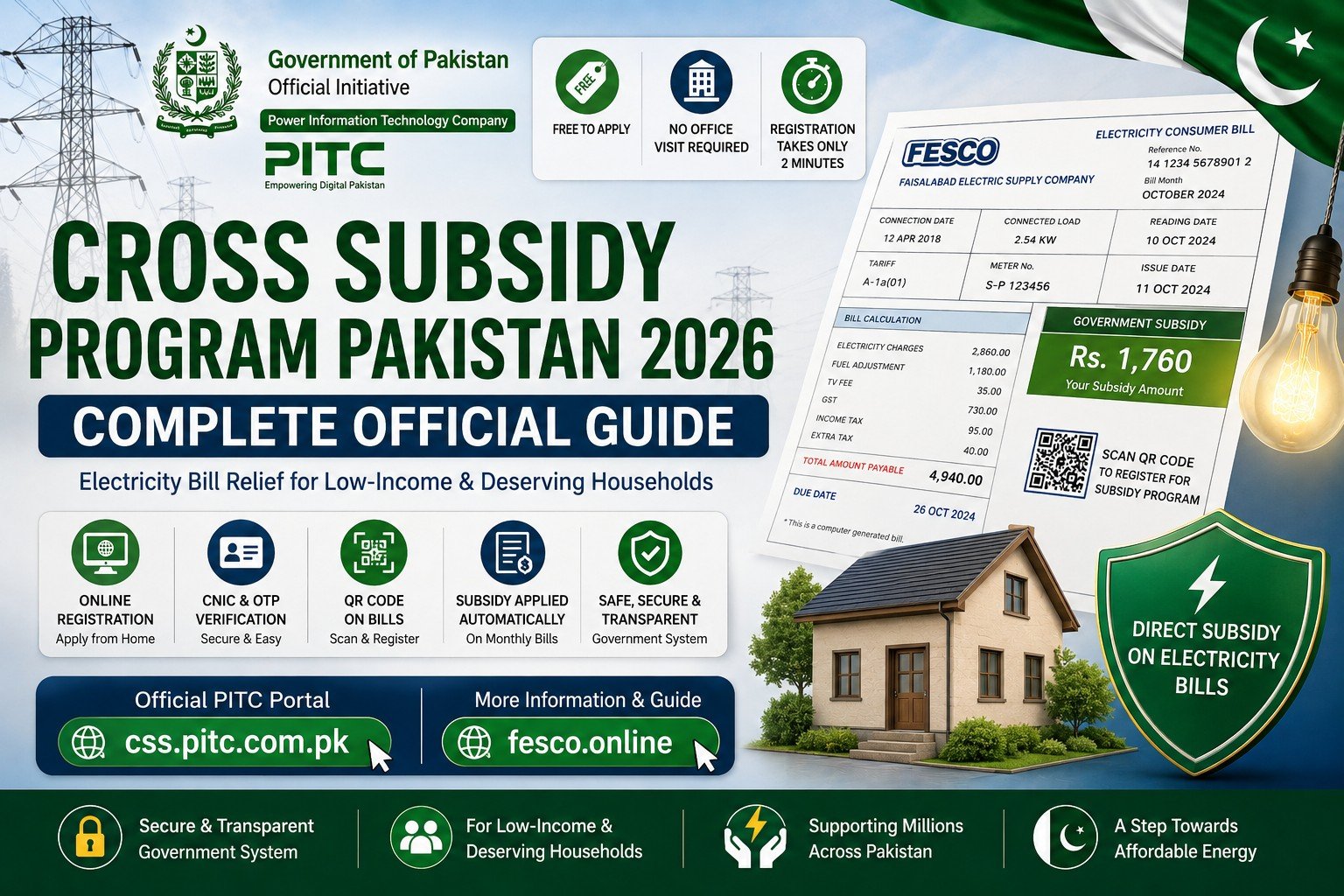
The Cross Subsidy Program is part of Pakistan’s electricity relief and targeted subsidy system designed to support low-income and protected domestic electricity consumers.
The system is designed to assist financially disadvantaged households by providing relief on their electricity bills through adjustments and subsidies that are linked to official electricity databases. Rather than offering the same subsidies to all consumers, the government is now prioritizing targeted assistance. This approach means that those with lower electricity usage or lower incomes may receive more support than those who consume more electricity. The system is integrated with PITC (Power Information Technology Company), which oversees the electricity billing infrastructure for various distribution companies in Pakistan.
Under this system:
- Eligible consumers may receive reduced electricity charges
- Protected users may get additional tariff relief
- Subsidy adjustments can appear directly on electricity bills
- Verification may happen digitally through official databases
- QR code systems may be used for faster verification and bill checking
Why Electricity Subsidy Programs Are Becoming More Important
A few years ago, electricity bills were frustrating but manageable for many families. In 2025 and 2026, the situation became much more difficult.
In areas served by FESCO and other distribution companies, many households started noticing huge increases in monthly bills during summer months.
Some families now avoid using air conditioners entirely because they fear receiving unexpectedly high bills. Others have started limiting appliance usage to control monthly expenses.
This growing financial pressure is one reason why targeted subsidy programs are becoming increasingly important across Pakistan.
The goal is simple:
- Provide relief to deserving households
- Reduce pressure on low-income families
- Support protected electricity consumers
- Improve digital transparency in subsidy systems
Official PITC Portal for Cross Subsidy Verification
Users should always use official government-linked websites when checking electricity subsidy information.
Official Website:
Some users also search for:
- css pitc com pk
- cross subsidy portal
- PITC subsidy apply online
- electricity subsidy registration
- QR verification electricity subsidy
Always confirm that the website is official before entering personal information like CNIC numbers or electricity bill details.
QR Code Verification System – Important Information

One of the latest additions many users are noticing in electricity-related systems is QR code verification.
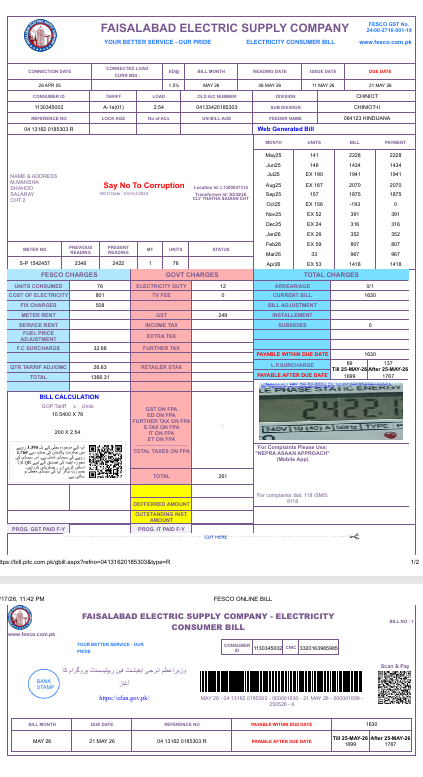
Some electricity bills or subsidy portals may include QR codes that help users quickly verify bill details or access subsidy-related information digitally.
What Is the QR Code Used For?
The QR code may help users:
- Verify electricity bill information
- Access digital billing records
- Open official verification portals
- Confirm consumer details
- Reduce fake bill issues
- Speed up subsidy verification processes
How to Scan the QR Code
The process is very simple.
Step 1: Open Mobile Camera
Most modern Android and iPhone devices can scan QR codes directly using the phone camera.
Step 2: Point Camera at QR Code
Carefully place the electricity bill QR code inside the camera frame.
Step 3: Open Verification Link
A notification or link may appear automatically on your screen.
Step 4: Verify Information
After opening the portal, users may see:
- Consumer details
- Meter information
- Billing history
- Subsidy verification status
- Electricity connection information
Always confirm the website belongs to an official government or PITC-linked domain before entering any personal details.
Important QR Code Safety Warning
Many fake websites now create duplicate QR systems to steal personal information.
Never share:
- OTP codes
- ATM PIN
- Banking details
- Debit card information
- Mobile wallet passwords
Official electricity subsidy verification is generally free.
If any website asks for unnecessary payments, it may be fraudulent.
Who Is Eligible for the Cross Subsidy Program?
Eligibility depends on electricity usage, billing records, and government verification systems.
Although approval decisions are automatic, the following categories may have higher chances of qualifying.
1. Low-Income Families
Families with limited monthly income may qualify for targeted electricity support.
2. Protected Consumers
Consumers using lower electricity units are often placed under protected tariff categories.
3. Domestic Electricity Users
The subsidy mainly focuses on residential consumers instead of commercial users.
4. BISP or NSER Registered Families
Families already included in welfare databases may receive additional verification advantages.
5. Low Unit Consumption Users
Consumers with lower monthly electricity usage may receive better subsidy support.
Difference Between Protected and Non-Protected Consumers
Many users become confused after seeing “Protected” or “Non-Protected” categories on electricity bills.
Protected Consumers
Protected consumers usually:
- Use lower electricity units
- Receive lower tariff rates
- Qualify for additional subsidy relief
- Pay comparatively lower electricity charges
Non-Protected Consumers
Non-protected consumers generally:
- Use higher monthly electricity units
- Receive fewer subsidy benefits
- Pay higher tariff rates
This category system helps the government target subsidy support more effectively.
Required Documents for Online Registration
Before starting registration, users should prepare all required information carefully.
Usually required details include:
- CNIC number
- Active mobile number
- Electricity bill copy
- 14-digit reference number
- Consumer ID
- Address details
- Meter information
Incorrect details may delay approval or cause verification failure.
How to Apply Online for Cross Subsidy Program 2026
The online application process is relatively simple if the portal is functioning properly.
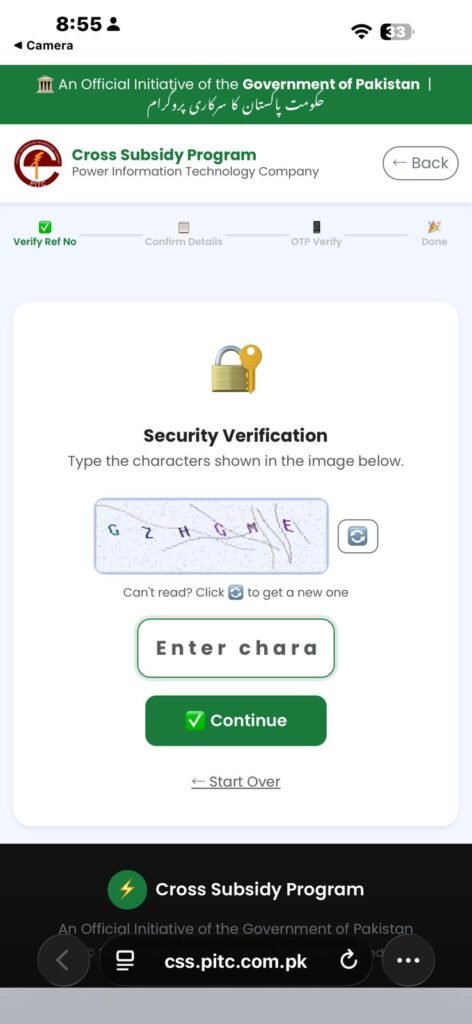
Step 1: Open Official Portal
Visit the official PITC-linked subsidy portal.
Step 2: Enter Electricity Bill Information
Provide details exactly as printed on the bill:
- Reference number
- Consumer ID
- Meter details
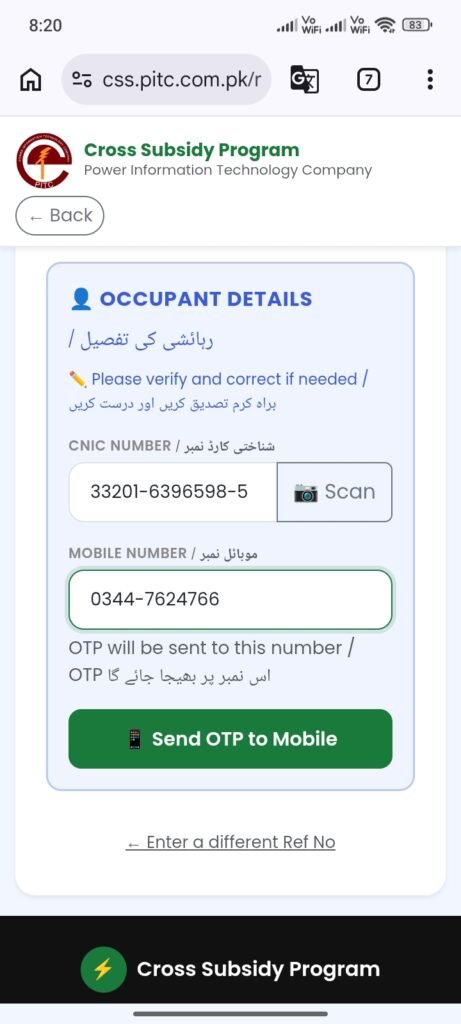
Step 3: Enter CNIC Number
Use a valid CNIC linked with the household or electricity connection.
Step 4: Add Mobile Number
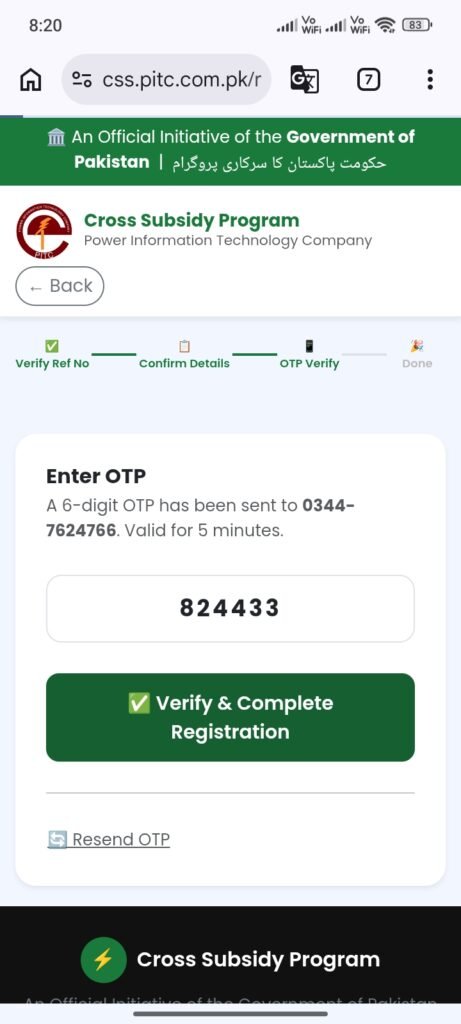
Enter an active number for SMS or OTP verification.
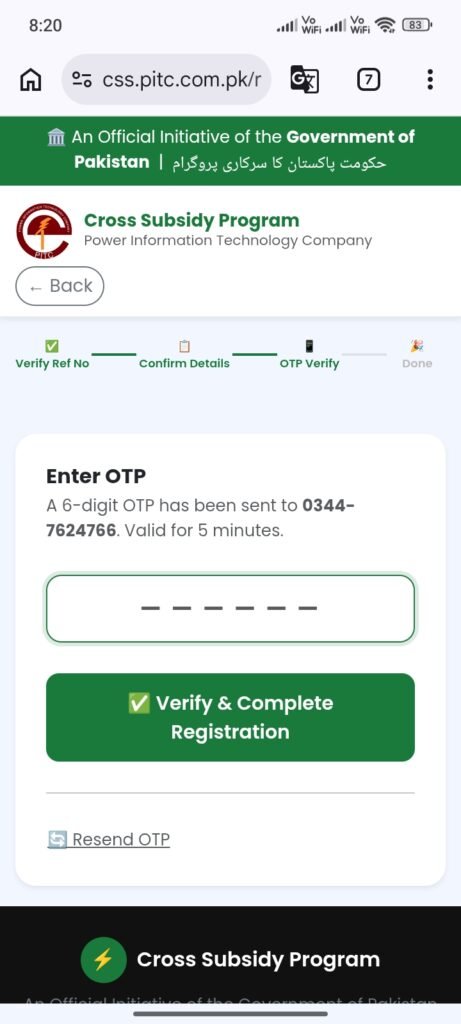
Step 5: Complete Verification
The system may send:
- OTP code
- SMS confirmation
- Verification notification
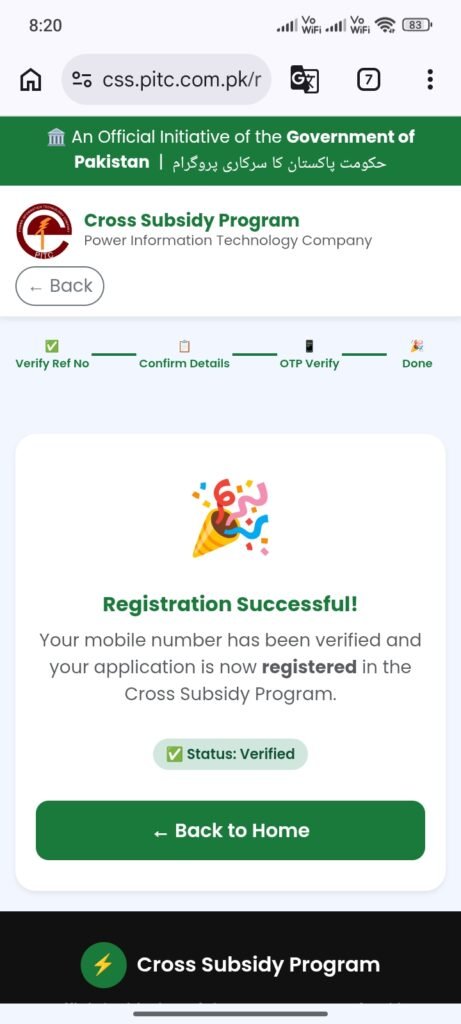
Step 6: Submit Application
Before submitting:
- Review all details carefully
- Double-check reference numbers
- Save screenshot or application ID
How to Check Application Status
After registration, many users want to know whether their application has been approved.
Status checking may require:
- CNIC number
- Application ID
- Electricity reference number
If approved, subsidy adjustments may appear in future electricity bills.
Common Problems During Registration
Many users experience technical issues during online registration.
OTP Not Received
Possible reasons include:
- Weak mobile signals
- Network delays
- Server overload
- Incorrect phone number
Invalid CNIC Error
This may happen if:
- CNIC details are entered incorrectly
- Databases do not match
- Verification records are incomplete
Wrong Reference Number
Incorrect bill details can stop the application completely.
Portal Not Opening
Heavy traffic sometimes slows subsidy portals during peak hours.
Application Pending for Long Time
Verification may require additional billing and database checks.
Tips to Improve Approval Chances
Although final approval depends on official verification systems, these tips may help avoid rejection:
- Enter correct CNIC details
- Use active mobile number
- Verify electricity bill information carefully
- Avoid duplicate applications
- Use official portals only
- Keep screenshots for record
Cross Subsidy Program for FESCO Users
Consumers connected with FESCO are also searching heavily for subsidy-related information in 2026.
Common searches include:
- FESCO subsidy check
- FESCO PITC registration
- Electricity subsidy apply online
- FESCO protected consumer status
Users can also learn more about electricity billing systems, reference numbers, and subsidy-related updates through:
Is the Cross Subsidy Program Real?
Yes, targeted electricity subsidy systems connected with government billing infrastructure are real.
However, fake websites and fraudulent social media pages are also increasing rapidly.
Users should trust only:
- Official government announcements
- PITC-linked portals
- Electricity distribution company websites
- Verified electricity billing systems
Future of Electricity Subsidy Programs in Pakistan
Experts believe targeted subsidy systems will continue expanding in Pakistan because:
- Electricity prices continue rising
- Inflation affects low-income households
- Digital verification systems are improving
- Billing databases are becoming more connected
Future systems may include:
- Faster QR verification
- Smart meter integration
- Mobile app verification
- Real-time subsidy tracking
Frequently Asked Questions (FAQs)
What is the Cross Subsidy Program?
It is a targeted electricity subsidy system designed to support low-income and protected domestic electricity consumers in Pakistan.
How can I apply online?
Users can apply through official PITC-linked portals using electricity bill details and CNIC information.
Is registration free?
Yes, official registration is generally free.
What documents are required?
Usually required documents include:
- CNIC
- Electricity bill
- Mobile number
- Reference number
What is QR code verification?
QR verification allows users to scan codes on bills or portals for quick digital verification and billing access.
Who is eligible?
Low-income families, protected consumers, and low electricity usage households may qualify.
How long does approval take?
Approval timing depends on verification systems and database checks.
Final Words
The Cross Subsidy Program in Pakistan for 2026 is becoming increasingly vital for families facing high electricity bills. With inflation, rising fuel costs, and soaring electricity tariffs impacting millions, targeted subsidy systems could offer significant financial relief to those in need. It’s essential for users to rely on official portals, carefully verify QR codes, steer clear of fraudulent registration scams, and provide accurate information when applying online. If your household qualifies as protected or falls under low-consumption electricity categories, checking your eligibility for the Cross Subsidy Program could lead to substantial savings on future electricity costs.