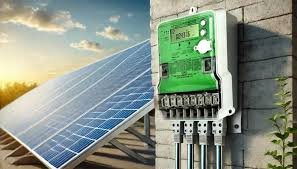
FESCO Solar Net Metering 2026 – New Net Billing Rules, Rates and Application Guide
Introduction
Solar energy has become an important option for households and businesses in Pakistan. Many electricity consumers are installing rooftop solar systems to reduce their dependence on grid electricity and manage rising energy costs.
However, Pakistan’s solar electricity regulations have changed in 2026. The National Electric Power Regulatory Authority (NEPRA) introduced new Prosumer Regulations, changing how electricity consumers receive credit for surplus solar power exported to the national grid.
For consumers in Faisalabad and other areas served by the Faisalabad Electric Supply Company (FESCO), understanding these changes is important before investing in a solar system.
This guide explains the difference between the previous net metering system and the new net billing arrangement, eligibility requirements, application procedures, and important considerations for FESCO consumers in 2026.
What Is FESCO Solar Net Metering?
Solar net metering was a billing arrangement that allowed electricity consumers with approved renewable energy systems to export surplus electricity to their distribution company’s grid.
For example, when a solar system generated more electricity than a household needed during the daytime, the additional electricity could flow into the grid. The electricity meter recorded both imported and exported units.
Under the previous regulations, eligible consumers received credits according to the applicable net metering billing mechanism.
However, NEPRA introduced the Prosumer Regulations 2026, which replaced the previous 2015 regulations for new applicants.
Under the new framework, the billing arrangement is called net billing. Imported electricity and exported electricity are calculated separately using different rates.
FESCO Net Metering Rules Changed in 2026
On February 9, 2026, NEPRA notified the National Electric Power Regulatory Authority (Prosumer) Regulations, 2026 through S.R.O. 251(I)/2026.
These regulations introduced a new billing framework for consumers who generate electricity through solar, wind, or biogas systems and connect them to the distribution network.
The main difference is that consumers no longer receive an automatic one-to-one adjustment between imported and exported electricity under the new arrangement.
Instead:
- Electricity imported from the grid is charged at the applicable consumer tariff.
- Surplus electricity exported to the grid is credited at the National Average Energy Purchase Price.
- If the export credit exceeds the import charges, the remaining amount can be carried forward to the next billing cycle or paid quarterly under the regulations.
This means the financial benefit of a solar system now depends more heavily on how much electricity a consumer uses directly during the daytime.
Net Metering vs Net Billing: What Is the Difference?
Understanding the difference between these two arrangements is important before installing a new solar system.
| Feature | Previous Net Metering | New Net Billing |
|---|---|---|
| Main arrangement | Previous net metering mechanism | Separate import and export valuation |
| Imported electricity | Adjusted under previous rules | Charged at applicable tariff |
| Exported electricity | Previous applicable purchase price mechanism | National Average Energy Purchase Price |
| New applications | Previous framework | New Prosumer Regulations |
| Agreement | Previous agreement terms | Five-year agreement under new framework |
The actual financial benefit depends on the applicable rates, consumption pattern, system size, and agreement.
Latest FESCO Solar Regulations for 2026
The 2026 regulations introduced several important requirements for consumers who want to connect a renewable energy system to a distribution network.
1. Solar System Capacity
The Prosumer Regulations 2026 cover distributed generation facilities ranging from 1 kW to 1 MW.
However, the proposed generation capacity must not exceed the sanctioned load of the consumer’s premises.
The applicable technical requirements and approval process must also be satisfied.
2. Three-Phase Electricity Connection
The regulations define eligible applicants as consumers with a three-phase 400V or 11kV electricity connection.
Therefore, consumers should confirm their connection type and sanctioned load with FESCO before purchasing equipment.
3. Distribution Transformer Capacity
The regulations also consider the capacity of the local distribution transformer.
A distribution company may not entertain a new application if connected distributed generation capacity on the relevant transformer has reached 80% of its rated capacity, subject to the applicable regulatory provisions.
This means approval may depend on local network conditions, not just the size of the solar system.
4. Approval for Solar Systems Up to 25 kW
NEPRA issued another amendment on August 6, 2026, through S.R.O. 1330(I)/2026.
Under this amendment, consumers installing distributed generation facilities of 25 kW or below are not required to obtain separate concurrence from NEPRA. The concerned distribution licensee is responsible for granting approval.
Consumers should still complete the required application and technical review with their distribution company.
5. Systems Above 25 kW
For systems above 25 kW, the applicable NEPRA concurrence requirements and fees must be followed.
Projects with an installed capacity of 250 kW or above also require a load flow study under the regulations, conducted through the licensee or a reputable consultant registered with the Pakistan Engineering Council.
How Much Does FESCO Pay for Exported Solar Electricity?
Under the new Prosumer Regulations 2026, electricity exported by a new prosumer is credited at the National Average Energy Purchase Price.
This is different from the retail tariff that consumers pay when importing electricity from the grid.
For example, imagine a household that imports 300 units from the grid and exports 200 units from its solar system during a billing cycle.
Under the new arrangement, these two quantities are valued separately:
- The 300 imported units are billed at the applicable consumer tariff.
- The 200 exported units receive credit at the applicable National Average Energy Purchase Price.
The final bill also depends on applicable taxes, fixed charges, adjustments, and other billing components.
Important: There is no single permanent export rate that should be assumed for every future billing cycle. NEPRA can revise the applicable purchase price through notifications.
Consumers should check the latest applicable rate before calculating their expected solar savings.
What Happens to Existing FESCO Net Metering Consumers?
Consumers who already had valid agreements under the previous 2015 regulations received important protection through amendments to the 2026 framework.
NEPRA’s April 2026 amendment clarified that qualifying existing consumers can continue under their previous rate and billing mechanism until their existing agreement expires.
However, there is an important condition.
A material modification that increases the maximum electrical output of an existing distributed generation facility can affect this protection and bring the system under the new regulatory framework.
Therefore, existing solar consumers should not increase their approved system capacity without first checking the applicable requirements with FESCO.
How to Apply for FESCO Solar Net Billing in 2026
Consumers interested in connecting a new solar system to FESCO’s distribution network should follow the applicable application and approval process.
The general steps include:
Step 1: Check Your Electricity Connection
Review your latest FESCO electricity bill to identify your connection type and sanctioned load.
Confirm that your connection meets the applicable requirements.
Step 2: Select a Suitable Solar System
Choose a solar system based on your electricity consumption, sanctioned load, available roof space, and technical requirements.
Avoid purchasing a system that exceeds your approved capacity.
Step 3: Prepare Technical Documents
Prepare the required application information, including your consumer details, system specifications, inverter information, and electrical diagrams.
Step 4: Submit Your Application to FESCO
Submit the required application and supporting documents to the concerned distribution company.
FESCO will review the application and assess the technical feasibility of connecting your solar system to its distribution network.
Step 5: Complete the Technical Review
FESCO may examine the proposed system, local transformer capacity, protection equipment, and other technical requirements.
For larger projects, additional technical studies may be necessary.
Step 6: Obtain the Required Approval
Consumers must receive the applicable approval before operating their solar generation facility in parallel with the distribution network.
The approval process differs depending on the system’s capacity and the applicable regulatory requirements.
Step 7: Meter Installation and Commissioning
The installed metering equipment must accurately record electricity flowing in both directions.
The system can begin operating under the applicable billing arrangement after the required approval and commissioning process is completed.
Documents Required for FESCO Solar Applications
Applicants should prepare the information and documents required by the relevant application form.
These may include:
- Copy of the consumer’s CNIC.
- Latest FESCO electricity bill.
- Consumer Reference Number.
- Consumer name and contact information.
- Installation address.
- Solar system capacity and technical specifications.
- Inverter manufacturer and model details.
- Electrical single-line diagram.
- Information about the installing contractor, where applicable.
- Other technical documents requested by FESCO.
The final document requirements should be confirmed with the concerned FESCO office before submitting an application.
How Long Does FESCO Solar Approval Take?
The NEPRA Prosumer Regulations 2026 specify different time limits for various stages of the application process.
For example:
- The distribution company must acknowledge an application and inform the applicant about its completeness within five working days.
- The initial technical review is to be completed within fifteen working days after the application is considered complete.
- The agreement and connection estimate have their own prescribed processing periods.
- Interconnection facilities are to be installed and commissioned within fifteen working days after payment of the applicable demand notice.
These are regulatory timelines for specified stages, not a guarantee that every application will be fully completed within a fixed number of days.
Missing documents, technical issues, and local network limitations can affect the process.
Can Solar Consumers Still Earn Money in 2026?
Consumers can still receive financial credit for surplus electricity exported to the grid under the applicable net billing arrangement.
However, the financial benefit is not the same as the previous one-to-one net metering system.
A solar system generally provides the greatest direct electricity savings when a household or business uses a larger share of the electricity it generates during daylight hours.
For this reason, consumers should consider:
- Their average monthly electricity consumption.
- Daytime electricity usage.
- Solar system capacity.
- Battery storage requirements.
- Imported electricity tariff.
- Applicable export purchase price.
- Installation and maintenance costs.
There is no guaranteed monthly income or fixed payback period for every solar installation.
Does Solar Net Billing Provide Backup During Load Shedding?
A standard grid-tied solar system usually shuts down during a grid outage because of electrical safety requirements.
This prevents the solar system from sending electricity into a network that may be undergoing maintenance or repair.
If a consumer needs backup electricity during load shedding, a suitable hybrid inverter and compatible battery storage system may be required.
The backup arrangement must be properly designed and installed by a qualified solar professional.
Consumers should understand that a grid-connected solar system and a battery-backed solar system provide different services.
Is FESCO Solar Net Billing Worth It in 2026?
Solar energy can still be a useful investment for households and businesses, but consumers should carefully calculate the economics under the current billing rules.
The new net billing arrangement makes self-consumption more important because exported electricity is credited at a different rate from the tariff charged for imported electricity.
A properly sized system can reduce reliance on grid electricity, particularly when electricity is used during daylight hours.
Before investing, compare equipment prices, installation costs, inverter warranties, battery requirements, and the latest applicable regulatory rates.
Avoid relying on guaranteed savings or income claims made by solar sellers.
Frequently Asked Questions
What is the difference between FESCO net metering and net billing?
Previous net metering followed an older billing mechanism for eligible consumers. Under the new 2026 net billing arrangement, imported electricity is charged at the applicable consumer tariff, while exported electricity receives credit at the National Average Energy Purchase Price.
Is net metering still available for new FESCO solar consumers in 2026?
New applications are governed by the Prosumer Regulations 2026, which introduced net billing instead of the previous one-to-one net metering arrangement.
What is the minimum solar system capacity under the 2026 regulations?
The regulations cover distributed generation facilities from 1 kW to 1 MW. However, the proposed system must also satisfy the applicable connection, sanctioned-load, and technical requirements.
Is NEPRA approval required for a 10 kW FESCO solar system?
Under the August 6, 2026 amendment, systems of 25 kW or below do not require separate NEPRA concurrence. The concerned distribution licensee must still grant the required approval.
What is the maximum solar system capacity under the new rules?
The Prosumer Regulations 2026 cover distributed generation facilities up to 1 MW, subject to the sanctioned-load and other technical requirements.
What happens to existing FESCO net metering agreements?
Qualifying existing agreements under the previous regulations are protected until their expiry, subject to the applicable conditions and amendments.
Can I receive a negative FESCO electricity bill after installing solar panels?
A solar consumer may receive an export credit exceeding the import charges under the applicable billing arrangement. The regulations provide for carrying the excess credit forward or quarterly payment. However, a negative bill or guaranteed cash income should not be assumed.
Does a grid-tied solar system work during load shedding?
A standard grid-tied system generally shuts down when the grid fails. Battery storage and a suitable hybrid inverter are needed for properly designed backup power.
Conclusion
FESCO solar consumers need to understand the regulatory changes introduced in 2026 before installing a rooftop solar system.
The introduction of net billing has changed how new solar consumers receive credit for electricity exported to the grid. Existing consumers with qualifying agreements have separate protections, while systems of 25 kW or below now follow a simplified approval route under the August 2026 amendment.
The most important step is to select a suitable system, understand the applicable approval requirements, and calculate expected savings using current electricity tariffs and export rates.
For FESCO consumers, informed planning is essential to getting the best value from rooftop solar energy.
Website Disclaimer: FESCO.online is an independent informational website. It is not affiliated with FESCO, NEPRA, PITC, or any government department. Regulatory information should be verified through official notifications before making financial or installation decisions.